Skip Hire in Hackney

Skip hire in Hackney is a practical way to manage bulky waste from home projects, refurbishments and ongoing trades work without turning the site into a bottleneck of sacks and loose debris. Our service supports straightforward disposal for mixed non-hazardous waste, with options that suit different project sizes and access conditions. If you need a simple way to keep waste moving while work is underway, the right skip can make day-to-day clearance much easier to organise.
We offer skip hire for domestic, commercial and construction use, with service choices that can be matched to the material being produced. That may include general household clearances, builders’ waste, strip-out material or garden waste, depending on what the job creates. Choosing the right size and type helps keep costs aligned with the load and avoids unnecessary disruption, especially where pavement space, driveway access or permit needs come into play. Start with the task, then decide how the waste should be collected.
For a clear quote, it helps to note the type of waste, the approximate volume and whether the skip will sit on private land or the public highway. If you are comparing options, ask for the most suitable skip size rather than the largest one available. A short enquiry with those details is usually enough to guide the recommendation. Contact us today to request a quotation.
Domestic skip hire for home projects
Domestic skip hire is often chosen for loft clear-outs, kitchen updates, bathroom rip-outs and general house tidying where a steady stream of waste builds up over several days. It gives you a single collection point for items that are awkward to keep moving in bags or repeated car trips. The service is particularly useful when you want to work through a project at your own pace and keep the waste separate from what you are retaining.
Our domestic options are suitable for common non-hazardous waste streams such as packaging, broken fixtures, timber, plasterboard in limited accepted quantities, furniture and general household rubbish, subject to what can safely go in the skip. If you are unsure how to sort mixed loads, the simplest approach is to separate anything that needs specialist handling before the hire begins. For help with what can and cannot be loaded, see our guidance on what can go in a skip.
Keeping a home clearance manageable
A planned approach usually works best for home jobs: remove anything reusable first, gather loose rubbish in one place, and leave the skip where access is easiest for the loading sequence. If the property is on a narrow street or the waste needs to be carried from inside the building, it may be worth thinking about how far each item must travel before ordering. The aim is to keep the process tidy and avoid repeatedly handling the same material. If you want to compare service options before you decide, you can review our skip sizes and prices information.
Builders’ and construction waste disposal
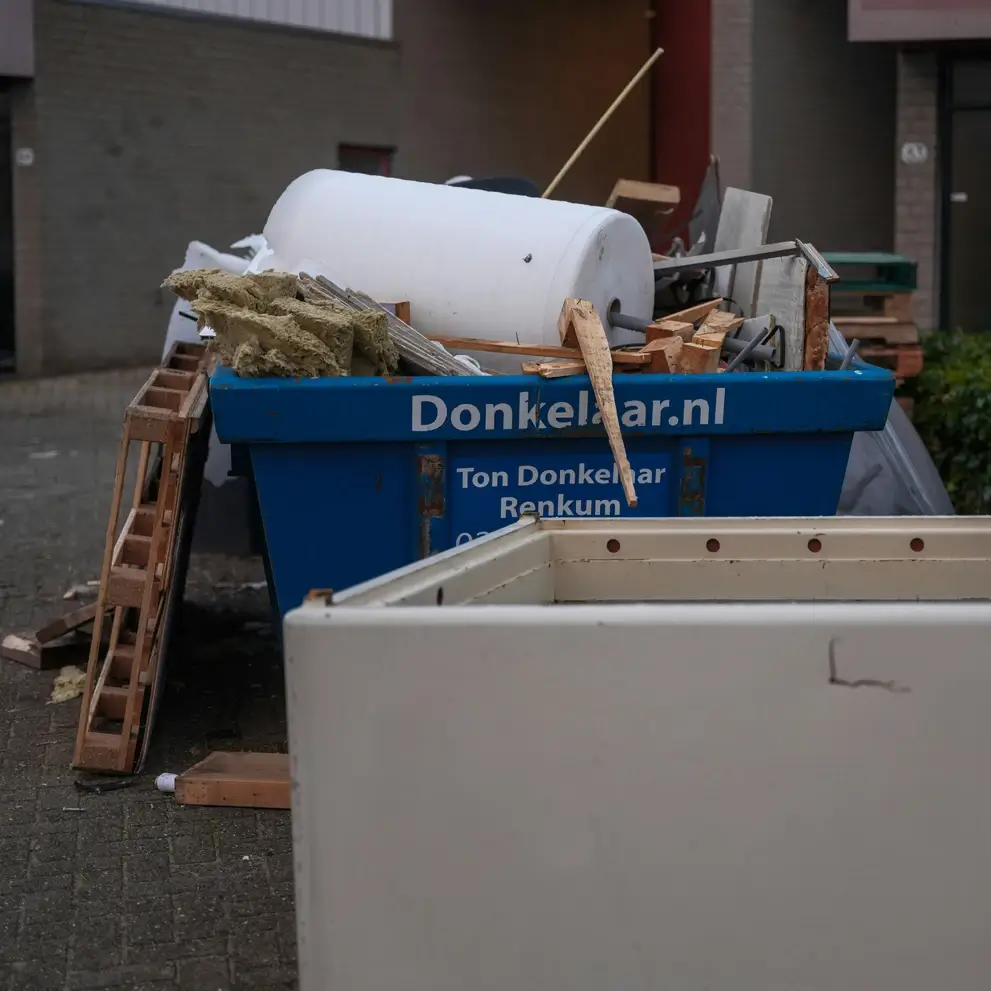
Builders’ waste disposal is designed for renovation, extension and refurbishment work that produces heavier or sharper debris than ordinary household rubbish. Typical loads can include brick, rubble, tiles, timber, packaging, soil in suitable quantities and general site waste from interior or exterior work. A well-chosen skip helps trades teams avoid pile-ups around entrances, walkways and scaffolding points, while keeping removal tied to the progress of the job.
For construction waste, the main decision is usually how the material is generated and whether it will be fairly mixed or dominated by heavy inert waste. Dense loads may fill a skip by weight before the container looks full, so it is sensible to plan around both volume and weight. If you are arranging work for a site, our builders’ skip hire option may suit projects where waste is produced in stages and needs a dependable clearance routine.
Material separation can improve handling and may reduce unnecessary sorting later. Keeping clean rubble away from mixed general waste, for example, makes the waste stream easier to manage and may simplify recycling routes. Where a project creates a combination of timber, packaging and masonry, it can help to think in terms of disposal zones rather than a single heap. That simple habit supports orderly loading and makes the skip easier to use from the first day of work to the final sweep.
Site clearance and larger waste jobs
Site clearance is useful when waste has built up across a work area and needs to be brought under control quickly and methodically. This can apply to building sites, outdoor refurbishment areas, vacant properties or spaces where multiple trades have generated separate waste piles. The service is aimed at clearing the material itself rather than leaving it to drift between corners, pathways or storage areas while work continues.
For larger or more awkward clearances, a skip can be part of a wider waste plan that also considers loading access, item breakdown and the order in which material leaves the site. That is especially relevant where there are mixed waste types, restricted entry points or a need to keep circulation routes open. If your job needs a broader collection approach, site clearance may be a useful page to compare with standard skip hire.
- Suitable for general site waste and mixed renovation debris
- Helpful where waste builds up across several work zones
- Can support phased loading as each part of the job finishes
- Useful when space needs to stay clear for trades access
Skip permits, placement and access
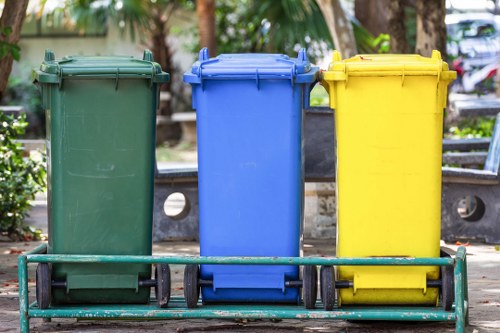
Where a skip cannot sit entirely on private land, a permit or other permission may be needed for roadside placement. That usually depends on the exact location, available space and local highway rules rather than on the waste itself. Planning this early helps avoid delays on the day of delivery and means the skip can be positioned with a clearer understanding of what is allowed.
Access matters as much as placement. Narrow streets, parking pressure, low branches, turning space and loading distance can all affect where a skip can be dropped and how easily it can be used. When access is tight, it is often better to think carefully about the route waste will take from the property to the container. If you need more detail on when permissions are relevant, our skip permits page is a sensible place to look.
Good preparation does not need to be complicated. A quick measure of available space, a check on overhead clearance and a note of any gates, steps or obstructions can make ordering much simpler. If the skip must be shared with neighbours or a managed property, it can also help to agree the placement before the waste arrives. That keeps the hire practical and reduces the risk of unnecessary repositioning later.
Garden waste and outdoor clearances
Garden waste removal is useful after pruning, landscaping, hedge cutting or clearing an overgrown outdoor space. Green waste tends to arrive in bulky, uneven loads that are awkward to transport in ordinary vehicles, especially where branches, root material and soil all need to be dealt with together. A skip creates one controlled point for the waste, making it easier to keep the rest of the garden open for work.
Outdoor jobs often produce a mix of organic material and heavier items such as broken fencing, old edging, paving offcuts or redundant garden fixtures. Where that happens, it is worth considering whether the load should stay mixed or whether different waste types need separate handling. If your project is mainly outside, the garden waste removal page may help you think through the best arrangement before booking. Keep anything that needs specialist disposal out of the main skip.
The best results usually come from loading larger pieces first and then filling gaps with lighter material. That helps use the container efficiently without overcomplicating the job. If you are clearing several parts of the garden at once, it can also help to group waste by area — borders, shed surroundings, patio edges and lawn cuttings — before loading begins. Simple sorting saves time later and makes the job feel less scattered.
Commercial skip hire for workplaces and premises
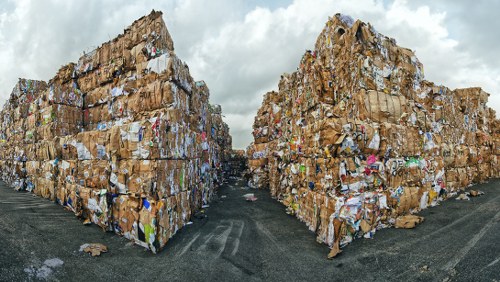
Commercial skip hire supports offices, retail units, workshops, managed properties and other premises where waste must be removed without disrupting the normal running of the business. This can be useful during refits, periodic clear-outs, stockroom changes or general maintenance work. A skip provides a central waste point that can be used alongside the rest of the site’s housekeeping and facilities plan.
Business waste can vary widely, so the most suitable arrangement depends on whether the material is mainly packaging, redundant fixtures, paper, general rubbish or refurbishment debris. If your load includes confidential or specialist items, those may need different handling routes entirely. For general premises waste, a standard commercial solution may be enough; for more targeted planning, our commercial skip hire page gives a straightforward starting point.
When arranging waste for a workplace, it helps to coordinate collection with access times and loading responsibilities. That way the skip can be used without blocking doorways, delivery points or customer areas. A sensible loading plan also reduces duplication, because staff are not repeatedly moving the same waste from one temporary pile to another. The goal is a cleaner site and a simpler workflow, not extra handling.
Waste types, sorting and responsible disposal
Not all waste can be treated in the same way, and one reason customers choose skip hire is to keep non-hazardous material together in a practical, traceable stream. Typical accepted loads include household junk, furniture, rubble, timber and packaging, while restricted items may need separate arrangements. It is worth checking the waste mix before loading begins so that unsuitable items are not mixed into the container.
Correct sorting helps with safe handling and may support recycling where materials can be recovered. For example, segregating reusable items from broken waste reduces unnecessary disposal and may make it easier to keep the hire tidy. If you are weighing up which waste stream applies to your job, our waste recycling services page gives useful context on what happens to recoverable material. For a full list of common restrictions, see what can go in a skip.
Planning the load before the skip arrives
A little preparation can make a large difference to how neatly the hire works. Put smaller loose items into bags or boxes, break down flat-pack materials where safe to do so, and keep anything fragile or dangerous separate from the main load. If your job creates several waste categories, note them in advance so the order of loading is easier to follow. That simple habit keeps the skip usable for longer and helps avoid avoidable contamination of the load.
About Hackney
Hackney in east London is a diverse inner-London borough shaped by long residential streets, busy high roads, industrial heritage and substantial change over the last century and a half. The area includes neighbourhoods such as Hackney Central, Dalston, Shoreditch to the west edge of the borough boundary, Clapton, Homerton, Stoke Newington and Hackney Wick, each with its own pattern of development. The borough’s urban fabric reflects Victorian terraces, former warehouses, estate architecture and newer mixed-use schemes, especially around transport corridors and regenerated sites. Hackney Central has long been a civic focus, while Dalston developed as a notable retail and transport hub. The Lea Valley runs along the eastern side of the borough, with waterways, reservoirs and open space forming a marked contrast to the denser streets elsewhere. Victoria Park lies just beyond the borough’s southern edge but remains strongly associated with the wider locality, while London Fields, Hackney Marshes and Clissold Park are among the best-known green spaces within or near the borough. Hackney Wick has become known for cultural activity and redevelopment around former industrial land, while parts of the borough retain a strong legacy of canal-side and railway-edge industry. The name Hackney itself appears in records from the medieval period, and the borough later became part of the expansion of London eastward. Today its character is shaped by a mix of housing, creative workspaces, markets, transport links and civic landmarks, giving it a layered identity that combines older neighbourhood form with continuing urban change.
Skip sizes and choosing the right option
Choosing the right skip size is mainly about matching the container to the type and volume of waste rather than trying to predict every item in advance. Small jobs may suit a compact container, while multi-room clear-outs or construction work can justify a larger one. The goal is to avoid paying for excess space while still leaving enough room for the waste to be loaded safely and sensibly.
If the load is light but bulky, volume matters more than weight; if the waste is dense, the weight limit may matter first. That is why the same skip size can suit very different jobs depending on what is being thrown away. For a broader view of the available range, the skip sizes and prices page is helpful, and the main skip hire page gives an overview of the service as a whole.
It can also help to think about how quickly the waste will appear. A one-day clear-out may need a different arrangement from a longer project where rubbish builds gradually and access must remain open. If you are unsure, describe the job as it stands now rather than guessing too high or too low. That makes it easier to select a practical size without overcomplicating the order.
Enquiries, booking and quotation details
When requesting a quotation, the most useful details are usually the waste type, the amount of material, the delivery location and whether the skip will be placed on private ground or the road. If there are access limits, low arches, parking restrictions or a need to coordinate with other contractors, mention those too. These are the points that most directly affect the recommendation and the overall arrangement.
It can also help to say whether the waste is from a domestic clear-out, a building project or a commercial premises, because that often changes the likely mix of materials. If you are arranging a repeated pattern of disposal, such as phased work over several days, explain that in your enquiry rather than sending separate messages. Clear project details make the response easier to tailor and reduce back-and-forth.
Use the information on this page to narrow down the likely service you need, then ask for a quote when you are ready. If you would like to compare a few practical options first, start with the relevant service page and then move to a quotation request once the scope is clear. For the final step, contact us today to request a quotation.